The Art of Non-Verbal Communication
Non-verbal communication is using physical characteristics like facial expressions, body language, and eye-contact to express emotions, messages, or information. The simplicity in reading and displaying non-verbal communication makes it easily unidentifiable in our everyday lives. Non-verbal communication can be as unnoticeable as someone having two headphones in instead of one, so no one talks to them or deciding to sit in the communal space with your co-workers/roommates to join in the conversation. These actions express how someone is feeling on the inside to the outside world without verbally saying anything.

VeryWell Mind shares that we respond to thousands of nonverbal cues and behaviors like postures, facial expressions, eye gaze, and gestures every day. Although we interact with non-verbal communication everyday it may take some time to be able to read these non-verbal cues, so here are ways to stay on top of what the people around you really aren’t saying. VeryWell Mind describes non-verbal communication as prevalent in our daily lives where 80% of what we communicate involves our actions and gestures versus only 20% being conveyed with the use of words.
How to notice Non-Verbal Communication in the Workplace
It’s important to be diligent, observe your peers’ actions and tendencies, and be receptive to different forms of non-verbal communication. Someone who is isolated and not actively participating in a group setting is expressing non-verbal communication, but you wouldn’t know if you did not understand the cues.
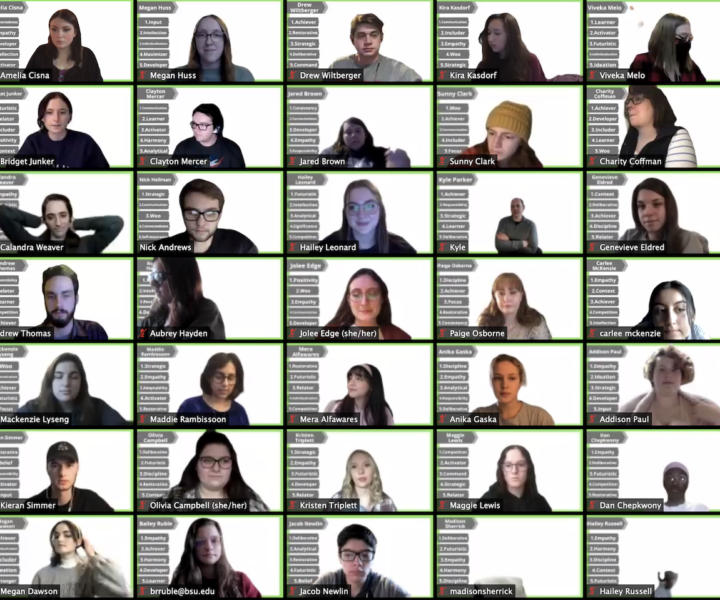
Look for people who wear their hoods up, have headphones on, and where or how they are sitting. Pay attention to eye contact, body language, and space between peers. Next time you find yourself in a public setting with friends, take a moment to observe eye contact, body language, and physical appearances to understand how everyone is feeling. All Digital Corps students have unique ways of conveying their thoughts through non-verbal communication.
Communication Team Apprentice, Jacey Hollars says, “my eyebrows and face are more communicative than I am, and you’ll know exactly how I feel about the situation by the expression.”

Master Class explains the 7-38-55 Rule, where 7 percent of meaning is communicated through spoken word, 38 percent through tone of voice, and 55 percent through body language. This encompasses the concept of communication of emotions. Because we use our bodies to communicate frequently it’s important to utilize your body language.
“Non-verbal communication is such a great tool in the workplace,” Raegen Robb, UX Graduate Assistant, said. “Maintaining eye contact and a friendly open posture during conversations with coworkers and classmates is one of the simplest ways to contribute to a more positive and collaborative workplace environment!”

To ensure an inclusive and efficient work environment at the Digital Corps, our students learn to study non-verbal communication cues. Not only is it important to observe your environment when it comes to non-verbal communication but also presenting yourself in a positive or neutral manner to boost workplace morale.